

Blood pressure is an important part of your health. It tells us how hard your heart is working to pump blood through your body. When your blood pressure is too high or too low, it can lead to serious health problems. That’s why it’s important to understand what blood pressure means and how to keep track of it.
What is Blood Pressure?
Blood pressure is the force of blood pushing against the walls of your arteries. Arteries are the tubes that carry blood from your heart to the rest of the body. When your heart beats, it pushes blood through these tubes. That push creates pressure.
Blood pressure is measured using two numbers:
- Systolic Pressure: This shows how much pressure is in your arteries when your heart beats.
- Diastolic Pressure: This shows the pressure when your heart is resting between beats.
For example, a normal blood pressure reading might be 120/80. That means 120 is the systolic pressure and 80 is the diastolic pressure.
What do the numbers mean?
Normal blood pressure levels for systolic pressure are less than 120. Normal blood pressure levels for diastolic pressure are less than 80. If your numbers are high, it can mean your heart is working too hard. This can damage your heart, brain, kidneys, and eyes over time.
Why Blood Pressure Matters
High blood pressure (also called hypertension) often has no signs. That’s why it’s called the “silent killer”. You may feel fine, but your body could be at risk. If left untreated, high blood pressure can lead to:
- Heart attacks
- Strokes
- Kidney problems
- Vision loss
The good news is that you can take steps to control your blood pressure.
What Affects Your Blood Pressure?
Many things can change your blood pressure. Stress, diet, exercise and even the weather can make your numbers go up or down. Some people have higher blood pressure in the morning or when they’re nervous. That’s why it’s helpful to take readings at different times and keep a record. This helps your doctor see patterns and decide the best way to help you.
How to Track Your Blood Pressure
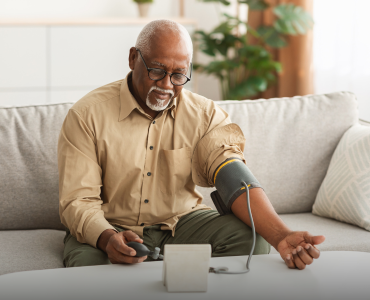
You can check your blood pressure at home with a monitor or at your doctor’s office. Many pharmacies also have machines you can use for free. Here are some tips for tracking your blood pressure.
- Sit quietly for 5 minutes before checking.
- Keep your feet flat on the floor.
- Rest your arm on a table at heart level.
- Take readings at the same time each day.
- Write down your numbers in a notebook or app.
Ways to Keep Your Blood Pressure Healthy
- Eat more fruits and vegetables.
- Cut back on salty foods.
- Move your body – walk, dance, or play sports.
- Don’t smoke.
- Limit alcohol.
- Get enough sleep.
- Take your medicine if a doctor prescribes it.
Visit Clinicas
At Clinicas del Camino Real, Incorporated, we care about your heart and blood pressure levels. If you’re worried about your blood pressure or are curious about how to track your levels, book an appointment with our Primary Care services teams today. We can help check your numbers, understand your risks and make a plan to stay healthy.