

We use our eyes all the time. We use them to read, drive, work, cook, shop, and enjoy time with others. Because our eyes are so important, it helps to know the difference between a vision screening and a comprehensive eye exam. These two things sound similar, but they are not the same. A screening is quick and simple. An eye exam is longer and looks at your full eye health. Understanding the difference can help you take better care of your vision.
What Is a Vision Screening?
A vision screening is a short test. It is often done at schools, health fairs, or regular doctor visits. Screenings are fast. They check only a few parts of your vision. You may read letters on a chart or look at shapes from far away. The goal is to see if you might have trouble seeing clearly.
According to the American Academy of Ophthalmology, a vision screening can find basic problems, but it does not check the whole eye. It cannot tell you if your eyes are healthy. It only shows if you should see an eye doctor for a full exam.
What Screenings Miss
Vision screenings are helpful, but they miss many things. They do not check how your eyes move. They do not check how your eyes focus. They do not check how your eyes work together. They also do not look inside your eyes, where many health problems can start.
According to West Broward Eyecare Associates, screenings can miss up to 75% of vision problems. This means many people may pass a screening but still have issues. These issues can cause blurry vision, headaches, eye strain, or trouble reading. A screening alone cannot explain these symptoms.
What Is a Comprehensive Eye Exam?
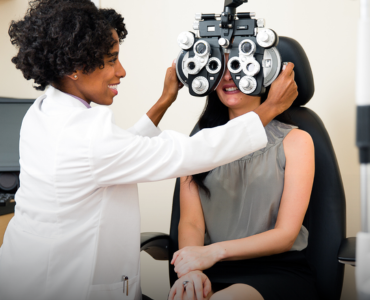
A comprehensive eye exam is a full check‑up done by an eye doctor. It takes more time than a screening, but it gives a complete picture of your eye health. During the exam, the doctor checks how clearly you see, how your eyes move, how they focus, and how healthy they are inside and out. The doctor can also tell if you need glasses or if your prescription has changed.
According to the American Optometric Association, only a full eye exam can find many vision problems that affect daily life. A full exam can also find early signs of eye diseases, such as glaucoma or cataracts. These problems often have no symptoms at first, so regular exams are important.
Why Eye Exams Matter for Everyone
Good vision helps people of all ages. Adults need clear vision for work, driving, and daily tasks. Older adults need eye exams to watch for age‑related changes. Children need strong vision to learn and play. A full eye exam helps make sure your eyes are healthy and working well, no matter your age.
Many vision problems do not show up during a screening. Only a full exam can check important skills like focusing, depth perception, and eye coordination. When problems are found early, treatment is easier and more effective.
How Often Should People Get Eye Exams?
The American Optometric Association recommends regular eye exams for everyone. Adults should have an exam every one to two years, depending on their age and health. Children should have exams more often as they grow. Regular exams help catch problems early and keep your vision strong.
Visit Clinicas
Our Vision Care Services team offers full eye exams for people of all ages. We check your vision, look at your eye health, and make sure you get the care you need to see clearly and stay comfortable. Whether you are having trouble with your vision or just need a routine check‑up, our team is ready to support you and keep your eyes healthy.