

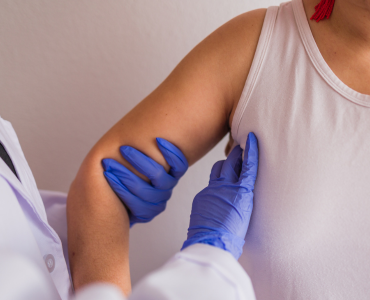
Breast cancer is one of the most common types of cancer. It happens when cells in the breast grow in an unusual way. Breast cancer can affect both women and men, but it is much more common in women.
Learning about breast cancer can help people understand the signs, know their risk, and take steps to support their health. According to the Centers for Disease Control and Prevention (CDC), breast cancer is the most common cancer among women in the United States, other than skin cancer.
What Is Breast Cancer?
The breast is made up of different types of tissue. Breast cancer starts when some cells in the breast begin to grow out of control.
There are different types of breast cancer, but all begin in the breast. Finding breast cancer early can help improve treatment options.
Who Can Get Breast Cancer?
Anyone can get breast cancer, but some people may have a higher risk.
Risk factors may include:
- Getting older
- Having a family history of breast cancer
- Having certain inherited gene changes
- Being physically inactive
- Drinking alcohol
Having one or more risk factors does not mean a person will get breast cancer. Many people who develop breast cancer have no known risk factors. The CDC notes that getting older is one of the main risk factors for breast cancer, and most breast cancers are found in women age 50 and older.
Know the Signs and Symptoms
Breast cancer may not cause symptoms at first. That is why regular screenings are important.
Possible signs of breast cancer include:
- A new lump in the breast or underarm
- Swelling in part of the breast
- Changes in the size or shape of the breast
- Pain in the breast that does not go away
- Changes to the skin of the breast
- Nipple pain or discharge that is not breast milk
If you notice any changes, talk to a health care provider.
Why Screenings Matter
Breast cancer screenings can help find cancer before symptoms appear. Mammograms are the most common screening test for breast cancer.
A mammogram is a special X-ray of the breast. It can help find changes that may be too small to feel.
Talk with your health care provider about when you should start getting mammograms and how often you should have them.
Healthy Habits That May Help Lower Risk
There is no sure way to prevent breast cancer, but healthy habits may help lower your risk.
These habits include:
- Being physically active
- Eating a healthy diet
- Maintaining a healthy weight
- Limiting alcohol
- Not smoking
Making healthy choices can support your overall health and well-being.
Visit Clinicas
At Clinicas del Camino Real, Inc., our OB/GYN Providers help women stay healthy through preventive care and routine well-woman visits. They can answer questions about breast health, discuss breast cancer screening, and help patients understand when a mammogram may be needed. If you notice changes in your breasts or have concerns about your risk, our team is here to help. Talk with your OB/GYN or Primary Care Provider to learn more about breast health and the services available to support your care.