

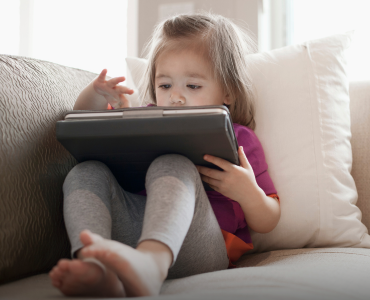
Today, many children spend a large amount of time looking at screens. Phones, tablets, computers, and TVs have become part of everyday life, whether at home, at school, or while socializing with friends. These devices can be helpful for learning and entertainment. However, too much screen time can have a negative impact on your child’s vision and overall eye health.
Eye Strain and Tired Eyes
One of the most common problems both you and your children can have is digital eye strain. This happens when you look at screens for a long time without breaks. According to the American Academy of Ophthalmology (AAO), symptoms include dry eyes, itchy eyes, blurry vision, and headaches.
The American Academy of Pediatrics (AAP) explains that focusing on screens for a long time can make your eye muscles tired, just like any other muscles in your body. Children may also have trouble focusing on things. As well as feel pain around their eyes when they have too much screen time. Another reason for discomfort is that kids often blink less when using screens. Blinking keeps your eyes moist. So less blinking can lead to dryness. Along with irritation.
Blurry Vision and Focus Problems
Staring at a screen for too long can also affect how well your child can focus. The AAO notes that looking at the same distance for a long time can cause the eyes to “lock up” temporarily. This can make vision blurry when your child looks away from a screen.
Children may not always notice these changes. They may rub their eyes, squint, or complain of headaches. Over time, these small issues can make learning and reading harder for them.
Increased Risk of Nearsightedness (Myopia)
A bigger concern for kids having too much screen time is myopia. This is also known as nearsightedness. This condition makes it hard to see objects that are far away. Research shared by the AAO shows that more people are becoming nearsighted. The biggest reason they are finding is due to close-up activities like screen usage.
Experts explain that focusing on nearby objects, like a phone or tablet makes your eyes work harder. Over time, this can change how your child’s eyes grow.
Less Time Outdoors
Screen time often replaces time your children could be spending outside. This matters because outdoor play helps protect your child’s vision. Natural light and looking at thins far away can slow the development of myopia. When children stay indoors and use screens for long stretches of time, they miss these benefits.
Blue Light and Sleep
Research from the AAP shows that Blue light may not directly damage your eyes, but it can affect both you and your child’s sleep. Poor sleep can lead to your child’s eyes feeling tired and uncomfortable the next day. It is recommended to avoid screens before bedtime. This is to help your child sleep better and support their overall eye health.
Tips to Protect Children’s Vision
Health organizations like the AAP suggest simple ways to protect children’s eyes:
- Limit screen time based on age and needs.
- Encourage breaks, such as the “20-20-20 rule.” Meaning every 20 minutes, you should take a 20 second break and look at something 20 feet away.
- Make sure kids spend time outdoors every day.
- Keep screens at a comfortable distance and use good lighting.
Visit Clinicas
If you are concerned about your child’s vision, Clinicas del Camino Real, Inc. is here to help. Our Vision Care Providers and Pediatrics Care Team are dedicated to supporting your child’s eye health and overall well-being. Regular eye exams can catch problems early and help prevent long-term issues.
We encourage parents to schedule an appointment with Clinicas to make sure their child’s eyes stay healthy and strong. Your child’s vision plays an important role in their learning, growth, and everyday life. Clinicas is here to support you every step of the way.