

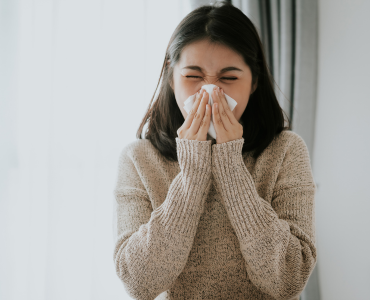
Seasonal allergies happen when tiny bits of pollen get into your nose, eyes, or throat. Pollen comes from trees, grass, and weeds. It floats in the air, especially in the spring and fall. When pollen enters your body, it can make you sneeze, itch, or feel stuffed up. Many people deal with allergies each year, but there are many ways to treat them and feel better.
What Causes Seasonal Allergies?
Your immune system protects you from germs. But when you have allergies, your immune system gets confused. It thinks pollen is dangerous, even though it is not. To fight it, your body releases a chemical called histamine. Histamine causes sneezing, itching, and watery eyes.
The American College of Allergy, Asthma & Immunology says histamine is the main reason allergy symptoms happen. This is why many allergy medicines try to block histamine. When histamine is blocked, your symptoms can get better.
How Seasonal Allergies Are Treated
There are many ways to treat allergies. Some help right away. Others help over time. Many people use more than one method to feel better.
1. Avoiding Triggers
You can lower your symptoms by staying away from pollen as much as you can. You cannot avoid pollen completely, but you can reduce how much you breathe in.
Here are some simple steps:
- Keep windows closed on high‑pollen days
- Shower and change clothes after being outside
- Use an air purifier
- Wear sunglasses to keep pollen out of your eyes
- Check pollen counts each day
The Centers for Disease Control and Prevention (CDC) says staying indoors on high‑pollen days can help many people feel better. The CDC also explains that pollen levels are usually highest in the early morning and on warm, windy days. Staying inside during these times can lower how much pollen you breathe in. This can help reduce sneezing, itching, and other allergy symptoms.
2. Over‑the‑Counter Medications
These are medicines you can buy at the store.
- Antihistamines — These block histamine. This helps you sneeze and itch less. The Mayo Clinic says antihistamines help calm your body’s reaction to pollen.
- Nasal sprays — These help reduce swelling inside your nose. This makes it easier to breathe.
- Eye drops — These help with itchy or watery eyes.
These medicines can help you feel better quickly. Many people use them every day during allergy season.
3. Prescription Medications
If store‑bought medicines do not help enough, a doctor may give you stronger options. These may include:
- Stronger nasal sprays
- Prescription antihistamines
- Prescription eye drops
These medicines can help when symptoms are more serious or last a long time.
4. Allergy Shots
Allergy shots help your body get used to pollen. You get small amounts of the allergen in each shot. Over time, your body reacts less. This means fewer symptoms. The American College of Allergy, Asthma & Immunology says allergy shots can greatly reduce symptoms for many people. They can also help long‑term.
When to See a Doctor
You should talk to a doctor if:
- Your symptoms last many weeks
- Store‑bought medicine does not help
- You have trouble breathing
- Your allergies make it hard to sleep, work, or go to school
Visit Clinicas
Seasonal allergies can be frustrating, but you do not have to face them by yourself. At Clinicas del Camino Real, Inc., our Primary Care team is here to help you learn what is causing your symptoms and find the safest treatments for your needs. We can check your breathing, review your symptoms, and guide you toward the right medicines. If you need extra support, we can also connect you with an allergy specialist. With the right care plan, you can feel better each season, and our team will be with you the whole way.